Design and Build
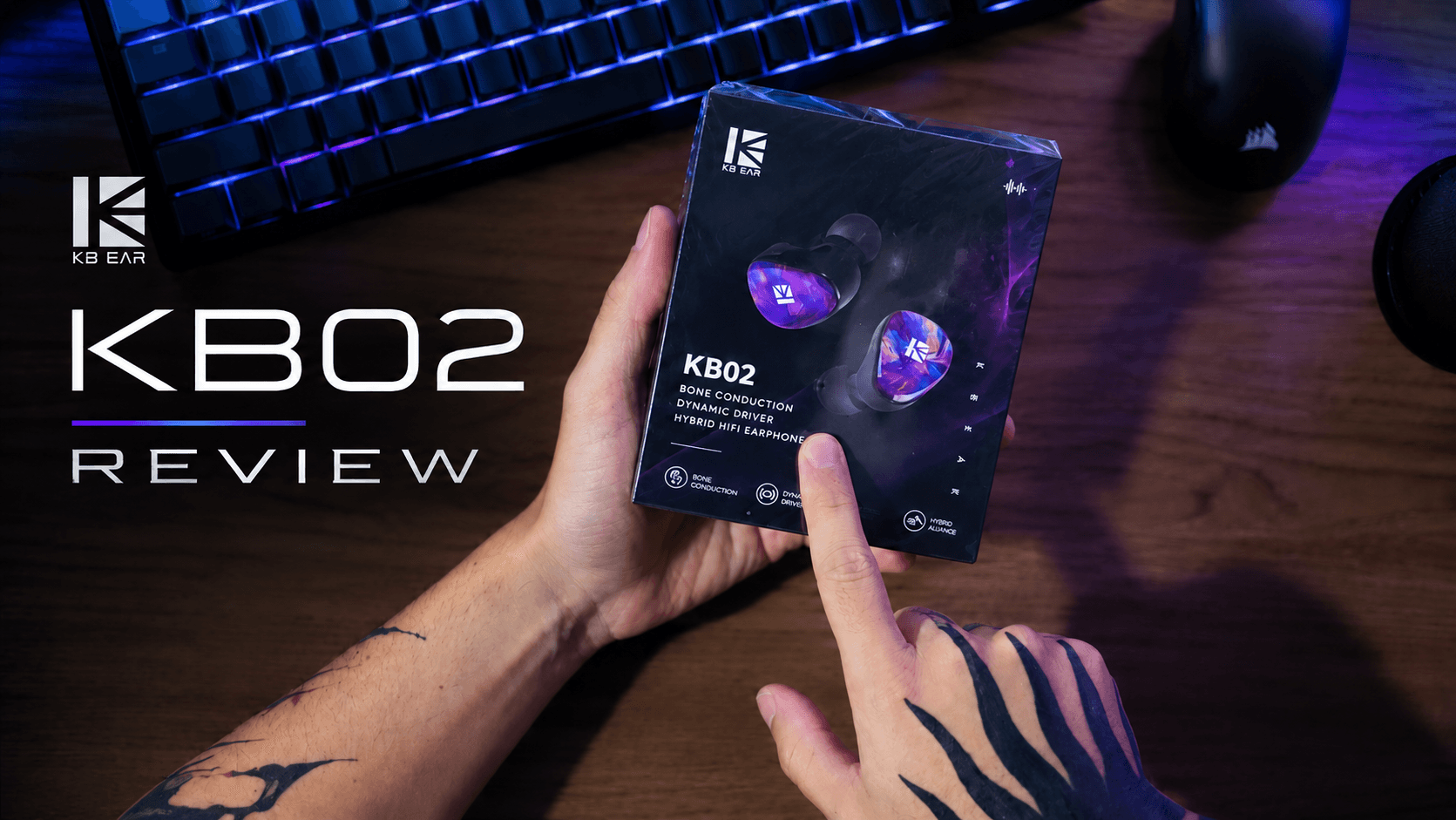
Its driver configuration consists of 1 dynamic driver and 1 BCD (Bone-conduction Driver).
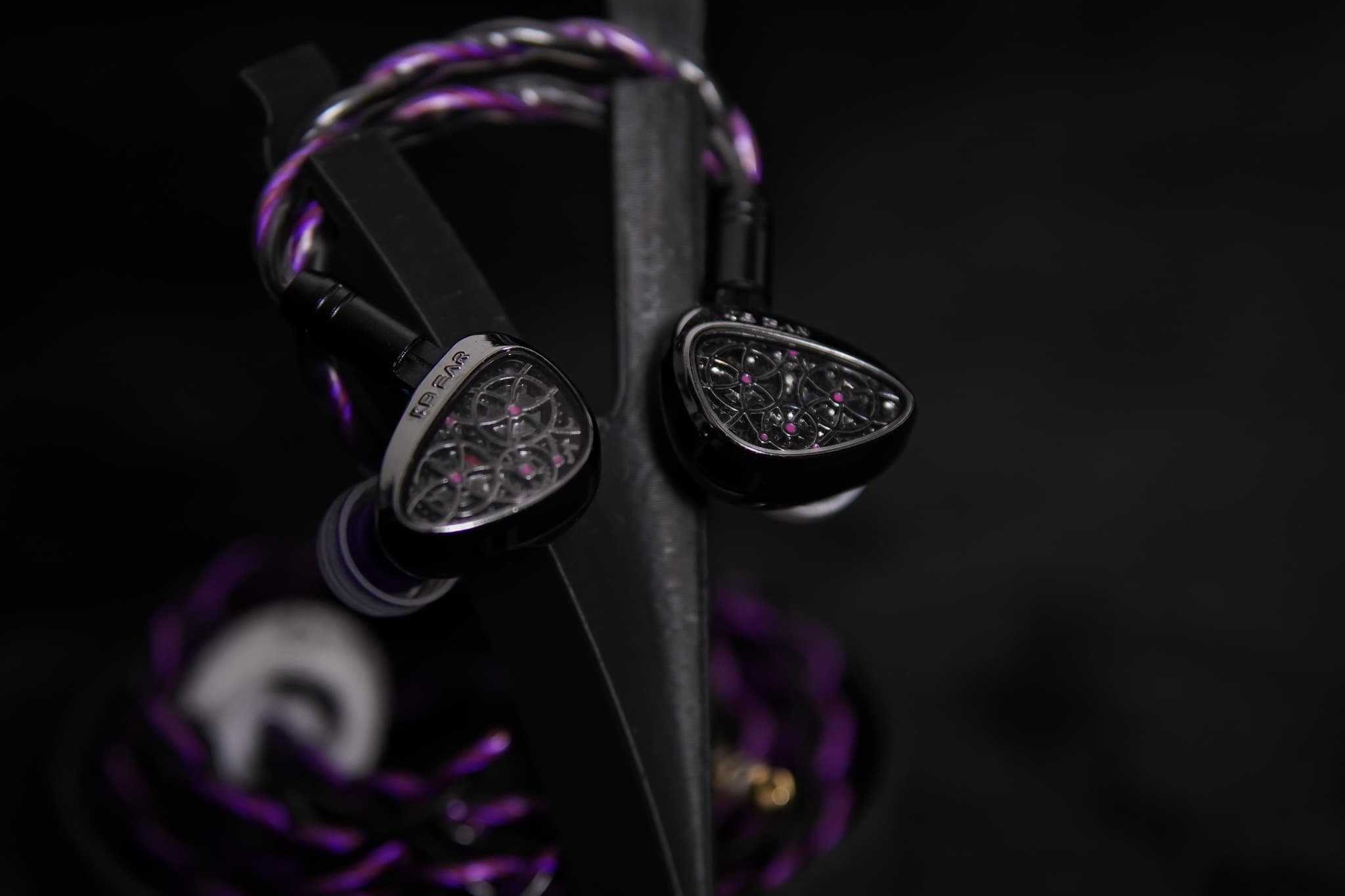
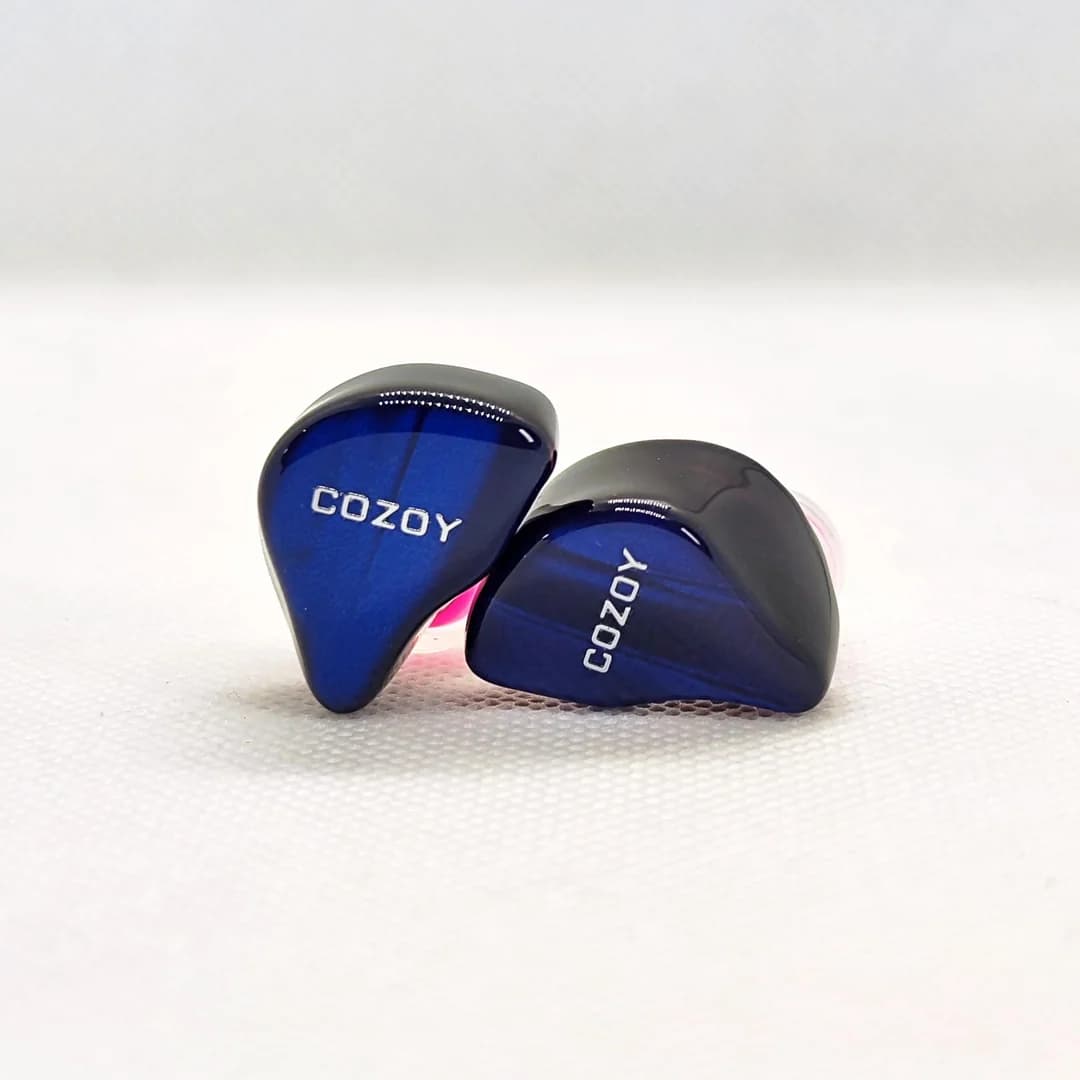
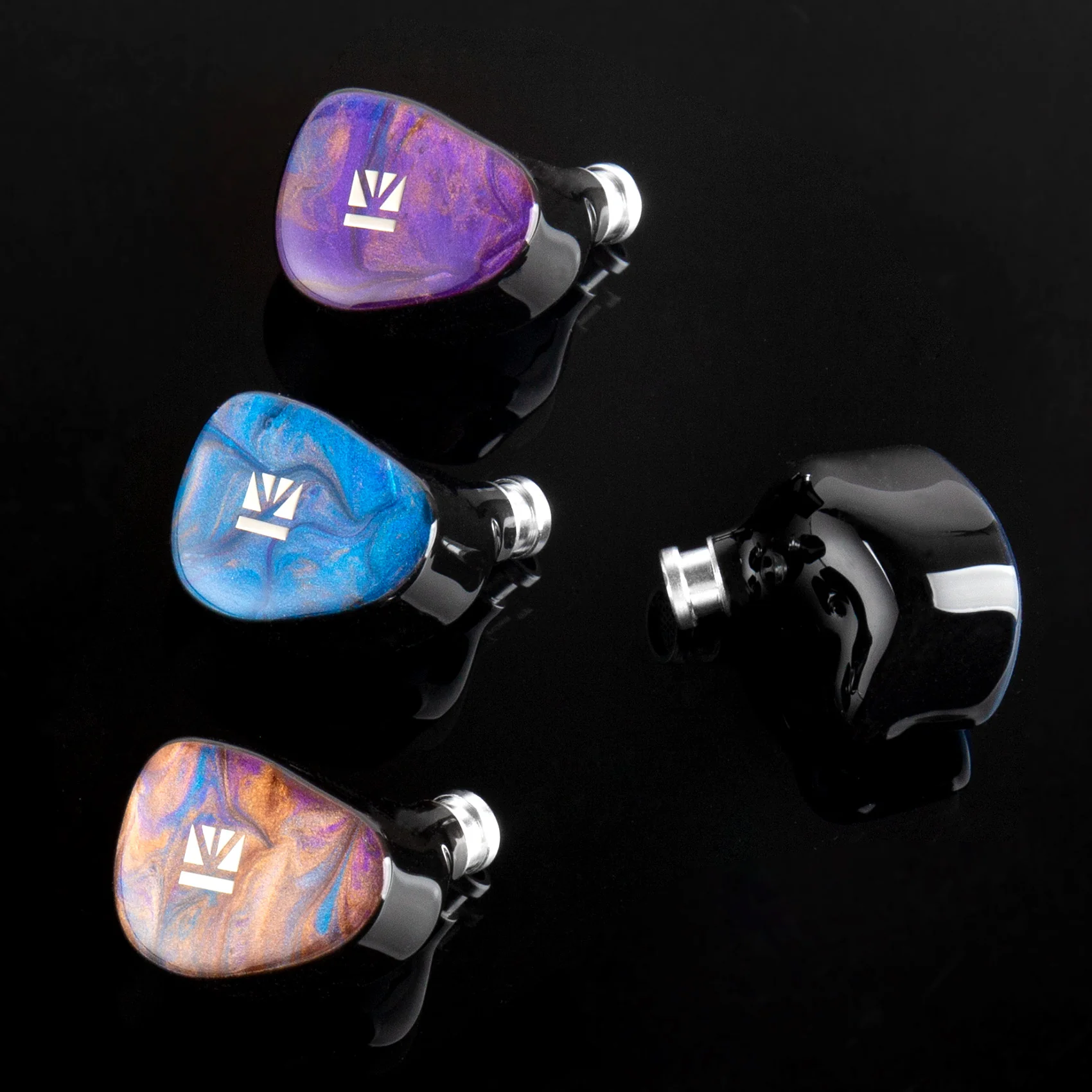
The shell is made of resin and, although lightweight, still feels reasonably solid. The faceplate uses glitter-infused epoxy and comes in 3 different color options. Personally, it is not to my taste (especially the brown version I received for testing), but that sparkly look will certainly appeal to plenty of people.
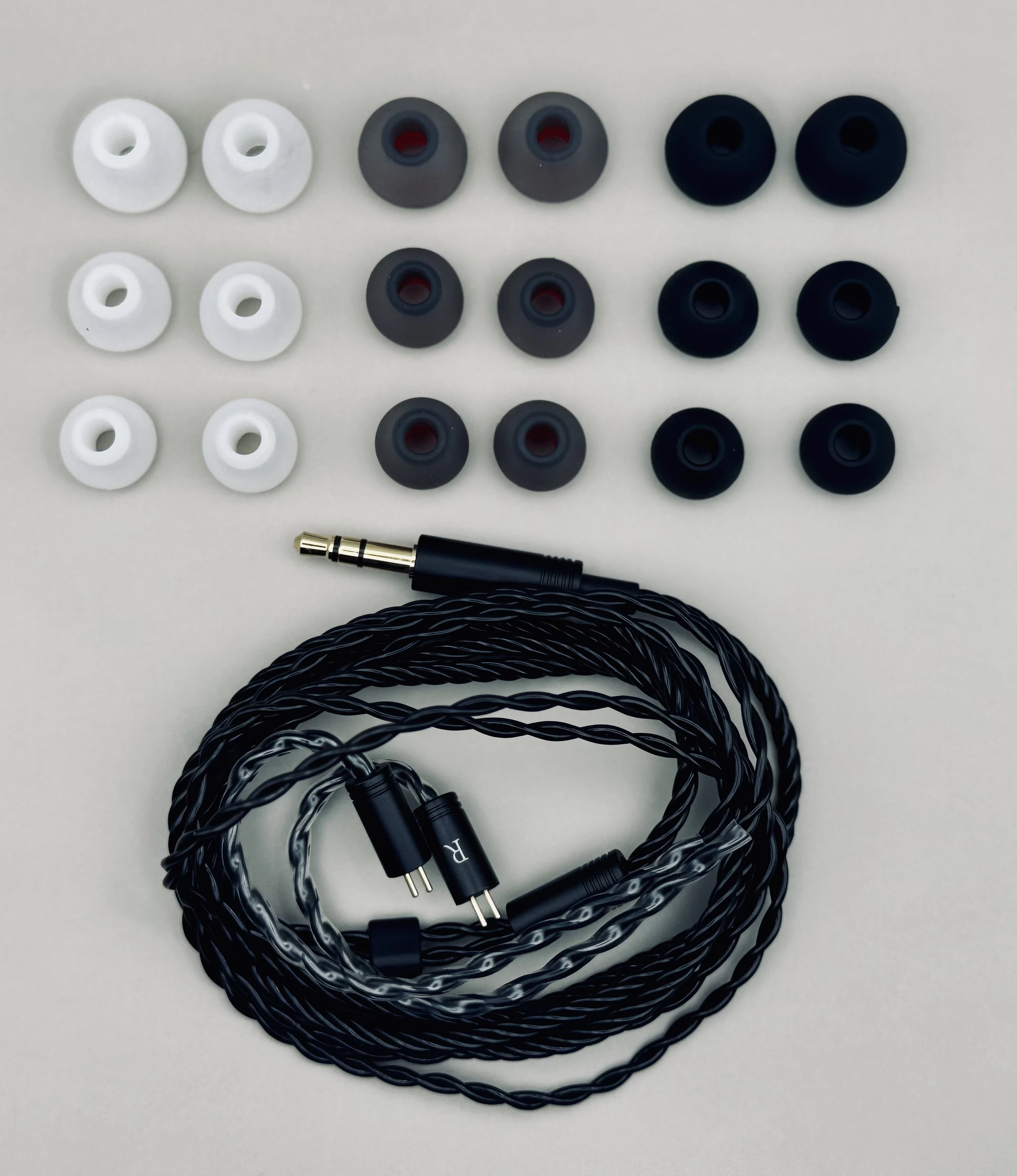
The cable is very thin, with a smooth plastic jacket, and is a definite weak point in the KBEAR's build. Still, I had no trouble with tangling or excessive cable microphonics (since any cable noise ends up swallowed by the BCD's resonance, which I will discuss further below).
The best part of the package is the included ear tip selection, with 3 different sets in S/M/L sizes: a standard black silicone set, a white silicone set and, finally, a set of the well-known KBEAR 07.
I have no complaints about comfort. The shell is small, and its rounded contours caused no discomfort or pressure points. Isolation is another highlight of this model. With both the 07 tips and the GK TS100, it does a very good job of reducing outside noise. In fact, when testing it at the gym, I did not miss the ANC I would have had with a TWS set. A great IEM to use away from home.
Test Conditions
Wired via Fosi ZH3 and Snowsky Retro Nano
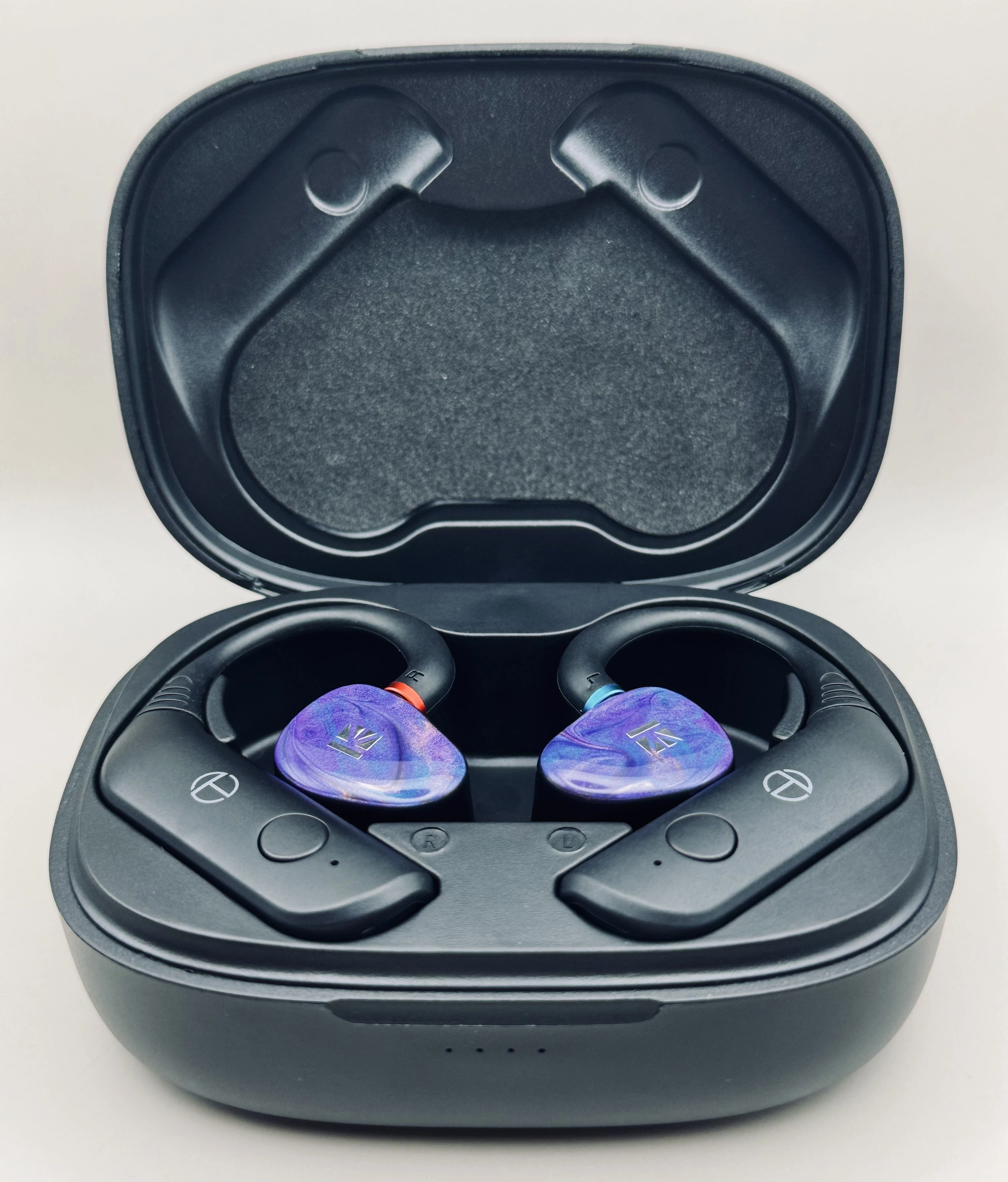
Bluetooth via TRN BT20 Pro
Sound
The KBEAR KB02's signature reminds me a lot of the Nici Hifi Quantum Wanderer, taking a warmer, more melodious approach than the infamous "neutral" sound, but with one important difference: it takes the Quantum's characteristics and doubles down. Sub-bass is more pronounced, and the frequencies above it are even more recessed.
Bass
This is where the KB02 stands out. The emphasis is on sub-bass, with mid-bass that is actually fairly restrained considering the product's intended sound. The lows arrive with authority and impact, delivering the kind of punch that changes the experience with more energetic genres, such as electronic music. Despite the quantity, that emphasis on the lower part of the bass range keeps it from spilling into the rest of the spectrum, helping the sound stay organized even on denser, more complex tracks. This can be a positive if you want a "cleaner" experience, but the most dedicated bassheads might also find it lacking in weight.
Midrange
In contrast to the region below it, the midrange is by far this IEM's biggest shortcoming for me. The whole region is too dark, with little presence and a presentation that pushes away the elements I, as a listener, feel should be closer. Vocals, particularly male vocals, sit far back, leaving the sound further from natural than I would like. The result is a frequency response that, while comfortable, ends up being too harmless, taking away much of the energy and engagement the bass alone could have provided.
Treble
The higher frequencies largely follow the same tuning approach as the mids, but with one caveat: there is an upper-treble sparkle that feels completely out of step with the rest of the presentation. It gives the impression of having been added to bring more detail to an otherwise dark signature, but the execution leaves a lot to be desired, resulting in a combination that does not work for me. While the mids are overly recessed, this artificial sparkle and detail pop up. They are not enough to restore the missing presence overall, and they sound out of place, potentially bothering listeners who are more sensitive to this part of the spectrum.
Technical Performance
The KB02 is definitely not an expansive-sounding IEM. Its soundstage is quite intimate. Despite the limited size of the space it projects, it makes up for that with positional accuracy that is impressive for the price, something the brand itself (and my experience with other IEMs using this technology) attributes to the bone-conduction driver.
I admit I was surprised, given its low-frequency-dominated signature, by its ability to separate elements even on busier tracks with a lot happening at once.
That does not mean it is a detail champion or exceptionally technical. The separation helps, but it does not fully make up for the tonal balance and the sense that some information remains "behind the veil".
Quirks
Anyone who has never heard an IEM with a BCD should prepare for an unusual experience, not because of the sound itself, but because of the resonance you hear when inserting it, moving your jaw, talking, eating, etc. Even compared with other IEMs that incorporate the same technology, its "thump" around 300 Hz is more intense, something I affectionately call "Filho do Piseiro Resonance". It is not an issue when listening while sitting still, but if you run or eat meals with your IEMs in, I recommend looking for another option.
Verdict
The KBEAR KB02 has a very specific purpose. Its physical bass, impactful but without bloat or spill into the rest of the presentation, makes it an interesting option for electronic music and other genres that benefit from that slam. The mostly relaxed mids and treble also make for very comfortable listening, especially for listeners who would rather avoid brighter signatures.
For me, though, the closed-in signature and that disconnected upper-treble sparkle make it an IEM I would not choose as my daily driver. These are traits I cannot ignore, both because of the imbalance and because the lack of presence distances the music, leaving the experience without the immersion I value in an IEM.
If you are a card-carrying basshead looking for impact without the sharper treble found in IEMs tuned closer to a classic V shape, the KB02 could be a great choice. In other respects, it is competent enough to keep the experience from falling apart completely. There are certainly more technically capable options at this price, but this remains an IEM worth considering, depending on the kind of listener you are and what you are looking for.
Disclosure
This IEM was lent to me for review by Davi, Mr. Audiofilia Brasil and co-founder of Sonether. No conditions were imposed on me in exchange for receiving it, and all opinions in this post reflect my genuine impressions of this model.
Rating: Rank C
It lands somewhere in the middle: it has clear strengths and an approach that could really appeal to the right audience, but the limitations of its tuning prevent me from recommending it as a versatile option. It is better suited to specific uses or as an addition to an existing collection.
About the author